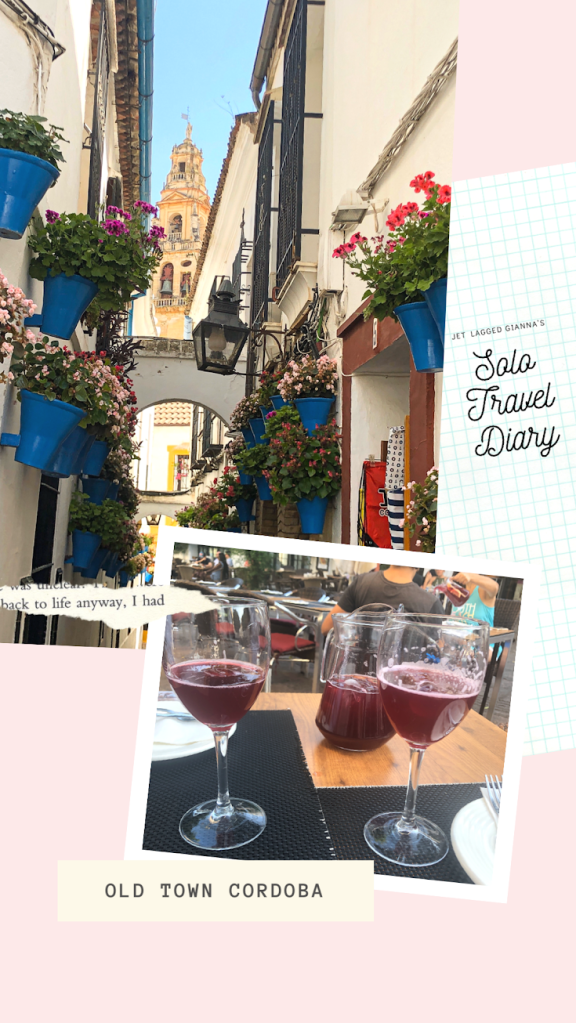
Cordoba is about 45 minutes from Sevilla by train. To be completely honest, Cordoba started off pretty rocky. When I arrived, I learned an important lesson about travel: never judge a city by the area around its train station.
When I got off the train, I couldn’t understand the Cordoba hype. It seemed like a regular, boring city. It had tons of commercial stores and restaurants, and honestly it seemed, well, dirty. I was feeling pretty disappointed as I walked the 20 minutes to my hostel, until I reached the old city.
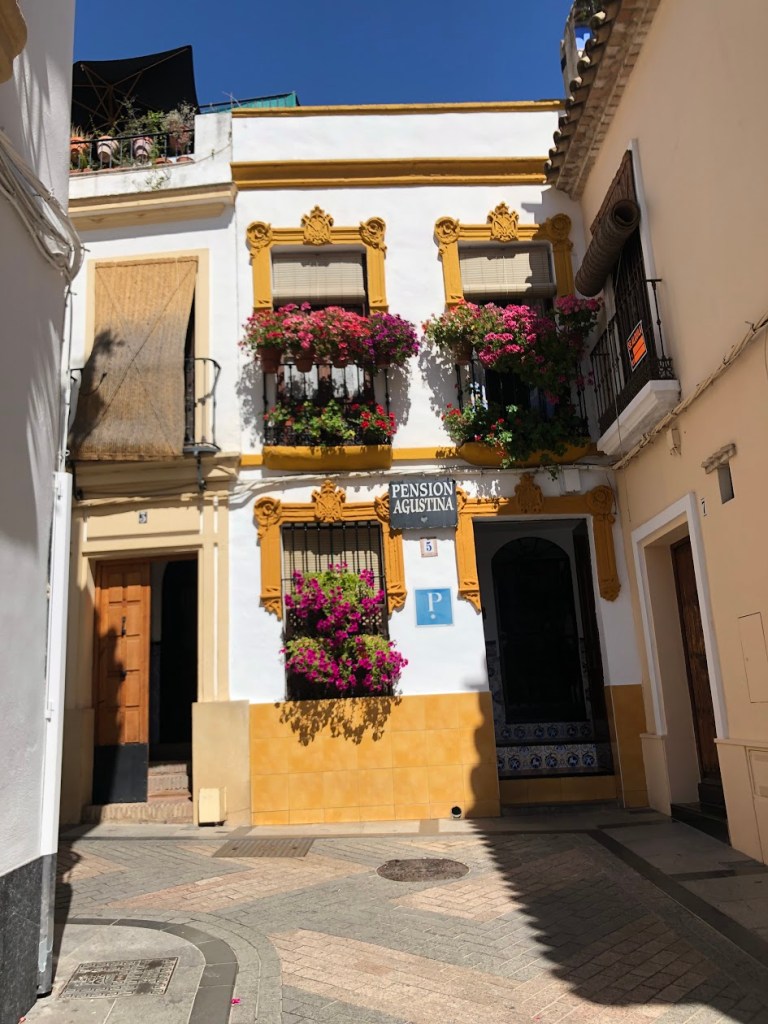
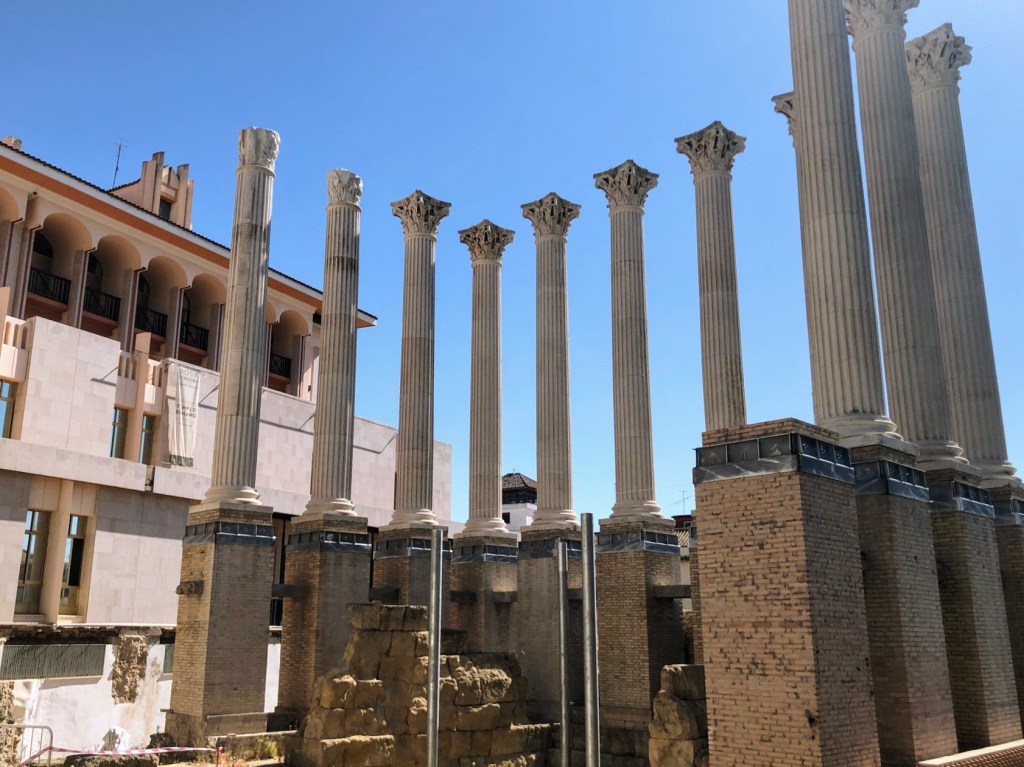
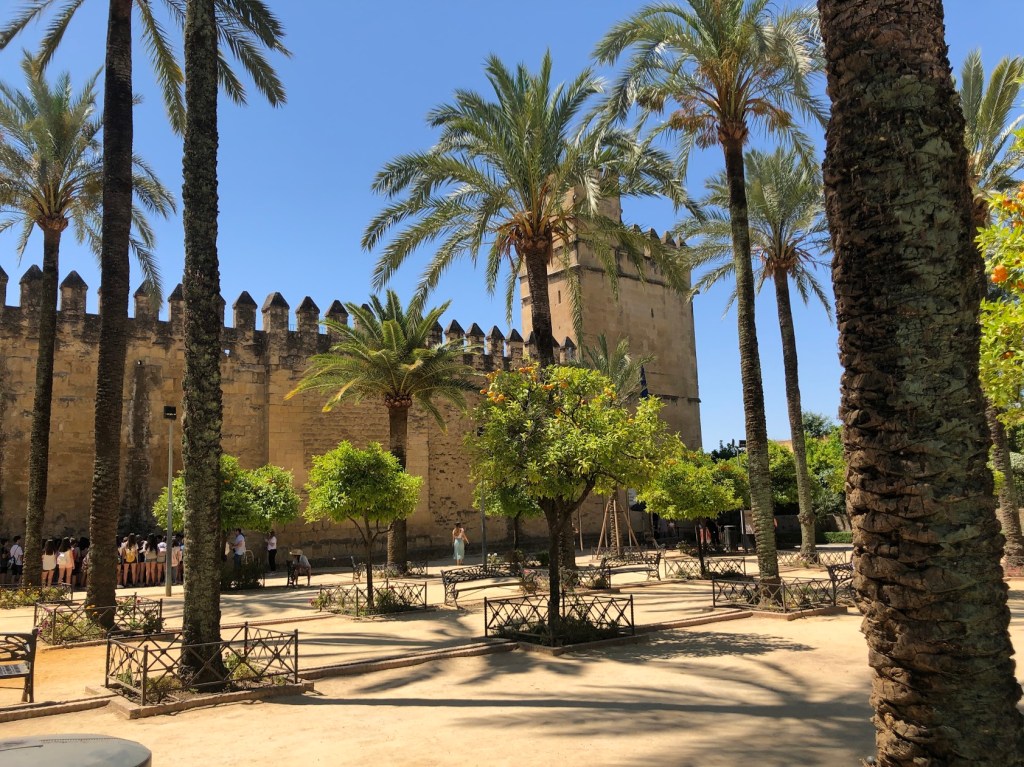
Instantly, my feelings took a 180. The old city of Cordoba is insanely beautiful. All of the buildings are white, with accents of blue and yellow. Bright colored flowers grow in every windowsill. Ruins of old arabic architecture scatter the streets.
The hostel I had planned to stay at was the first and only hostel on my trip that I disliked so much that I had to leave. I won’t say what it was called, but I was led to a windowless, dark dorm room with all male roommates. The room smelled like feet and BO, and I was instantly creeped out. I quickly found an available all female room on HostelWorld, dropped my key at the front dest, and left.
I’m not usually one to be picky about my accommodations, but dingy, stinky, windowless rooms filled with strange men are not places I wish to sleep. Call me high maintenance, but I was much happier with my second accommodation (even though I think it gave me bed bugs LOL). Unfortunately, I ended up paying for both.
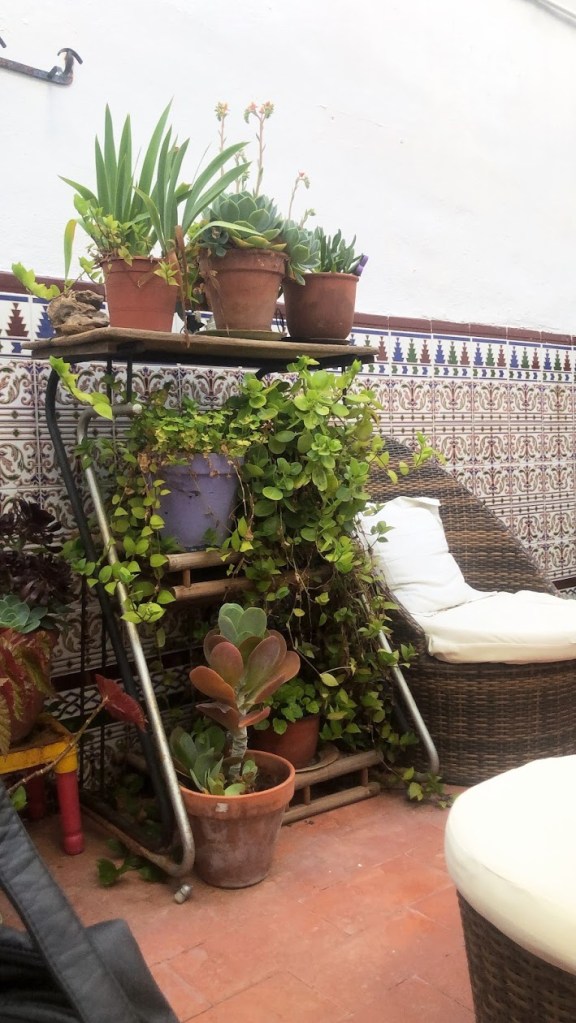
I stayed at a hostel called Al Katre. A smiley, warm woman greeted me at the front desk and showed me to my room. It was there where I met Talia, a tall, blonde girl from Germany. She was traveling through Spain learning the language, and was nearly fluent at that point. It was another fast friendship. We chatted for hours about the differences between the German and American education systems. She was extremely well- traveled throughout Europe, and gave me tons of suggestions on where I should go and what I should see.
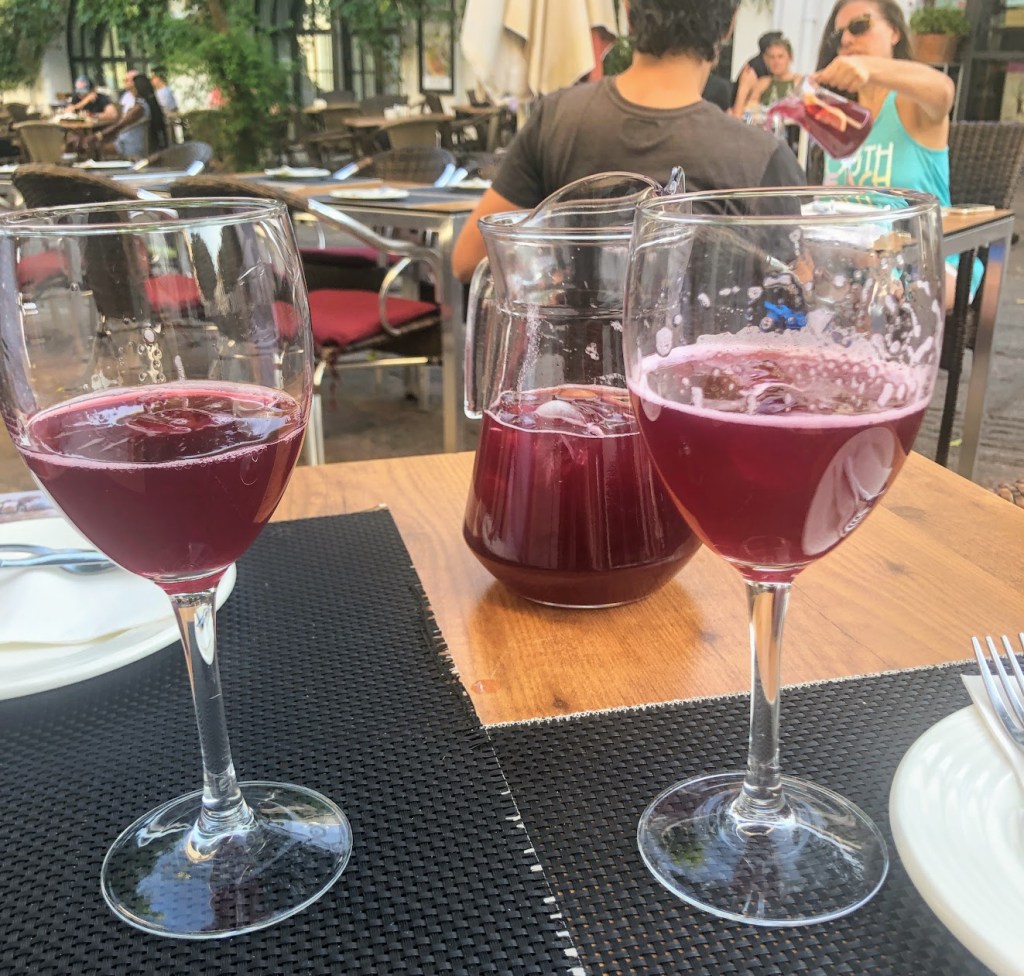
We went out for dinner to a restaurant on a beautiful (yet somewhat touristy) street. It was here, after 3 days of confusion, where I finally understood how the seating situation in southern Spain worked. In America, you wait for a host/hostess to seat you. In Southern Spain, it’s a free-for-all. Unless a table says “reserved” on it, you can sit wherever you want. Talia confidently sat at a table on the sidewalk, and a waiter soon came over to take our order.
We ordered Tinto de Verano, which is essentially red wine mixed with lemonade. It’s a popular drink in Southern Spain. I ordered a delicious Salmorejo (blended gazpacho thickened with breadcrumbs) and we shared patatas bravas. She also ordered some sort of bull testicles I think? It’s popular in Cordoba.
As the sun set, we wandered the streets eating gelato and talking. She had already seen most of the city, and was leaving the next day to go to Sevilla.
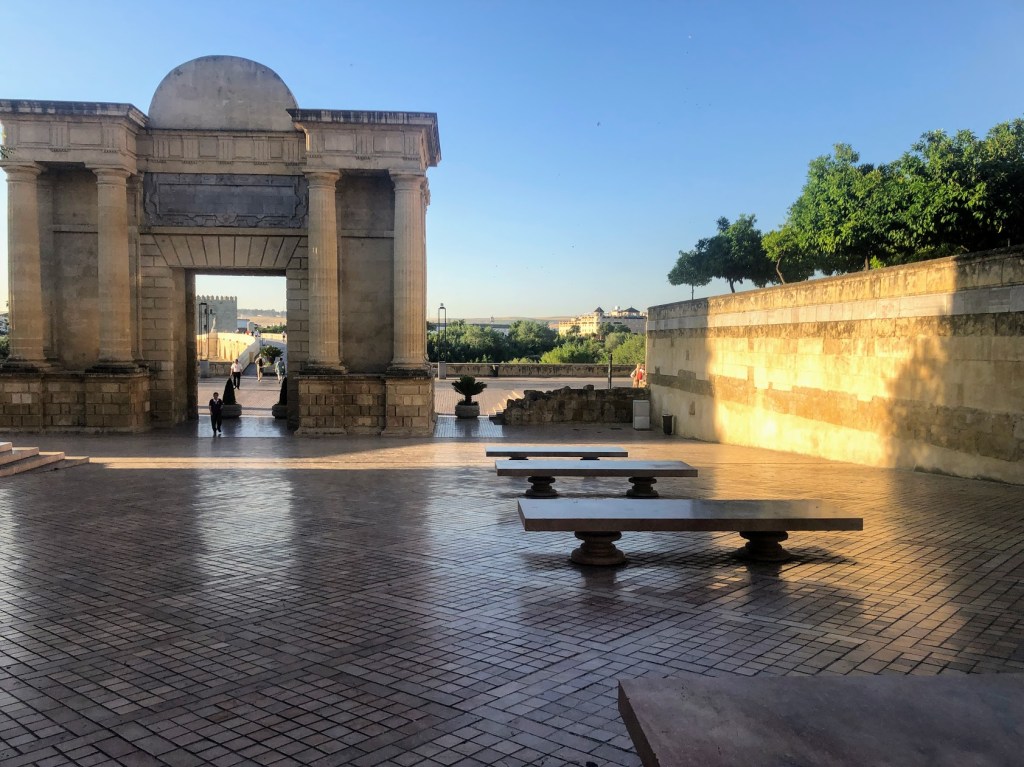
I woke up early the next morning to visit the most popular tourist attraction in the city – the Mosque of Cordoba. I’d seen countless churches in my visits to Europe, but never a mosque. If you got there before 8 am, it was free for the first hour. My limited backpacker budget encouraged me to set my alarm clock for 6:30 am.
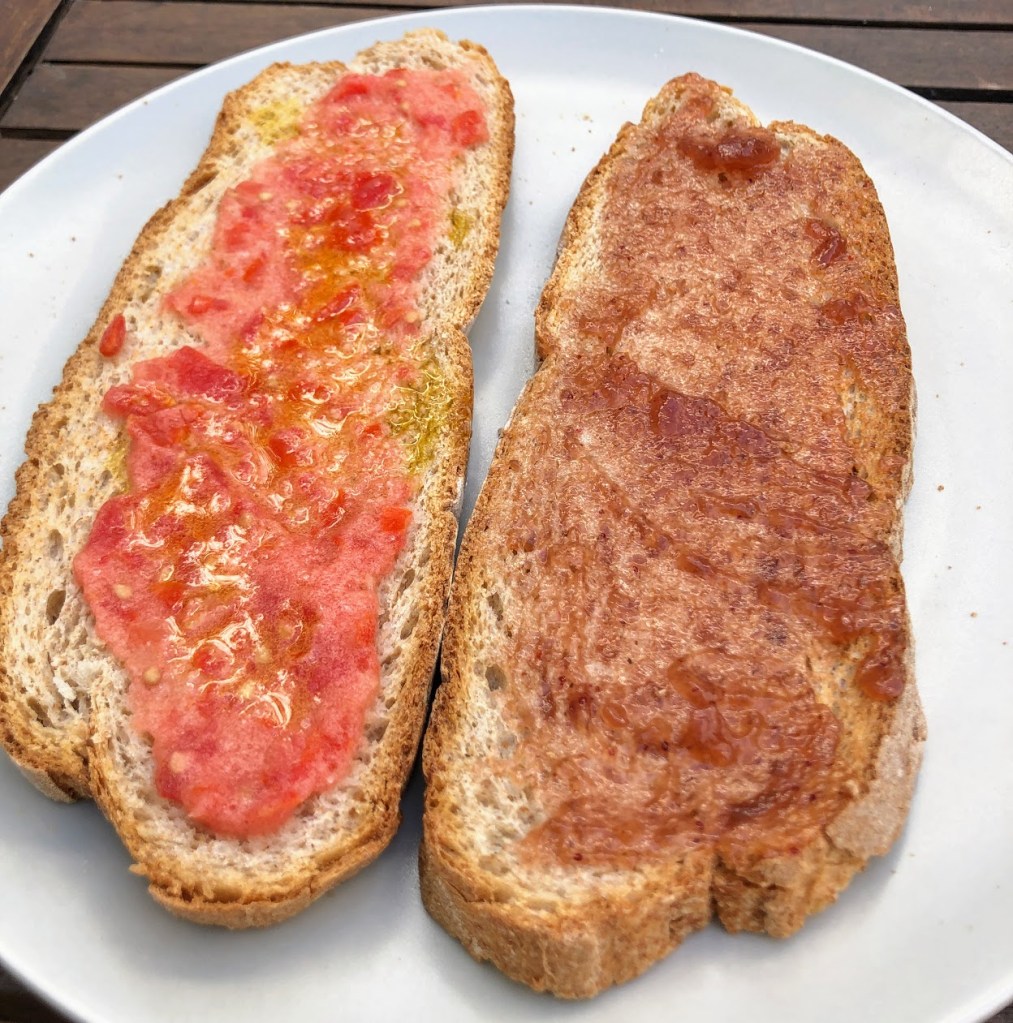
Talia and I got up together and paid 2 euros for the hostel breakfast of pan y tomate (a traditional Spanish breakfast) and coffee.
We hugged goodbye, promising that we would meet up again when I was in Munich at the end of the summer.
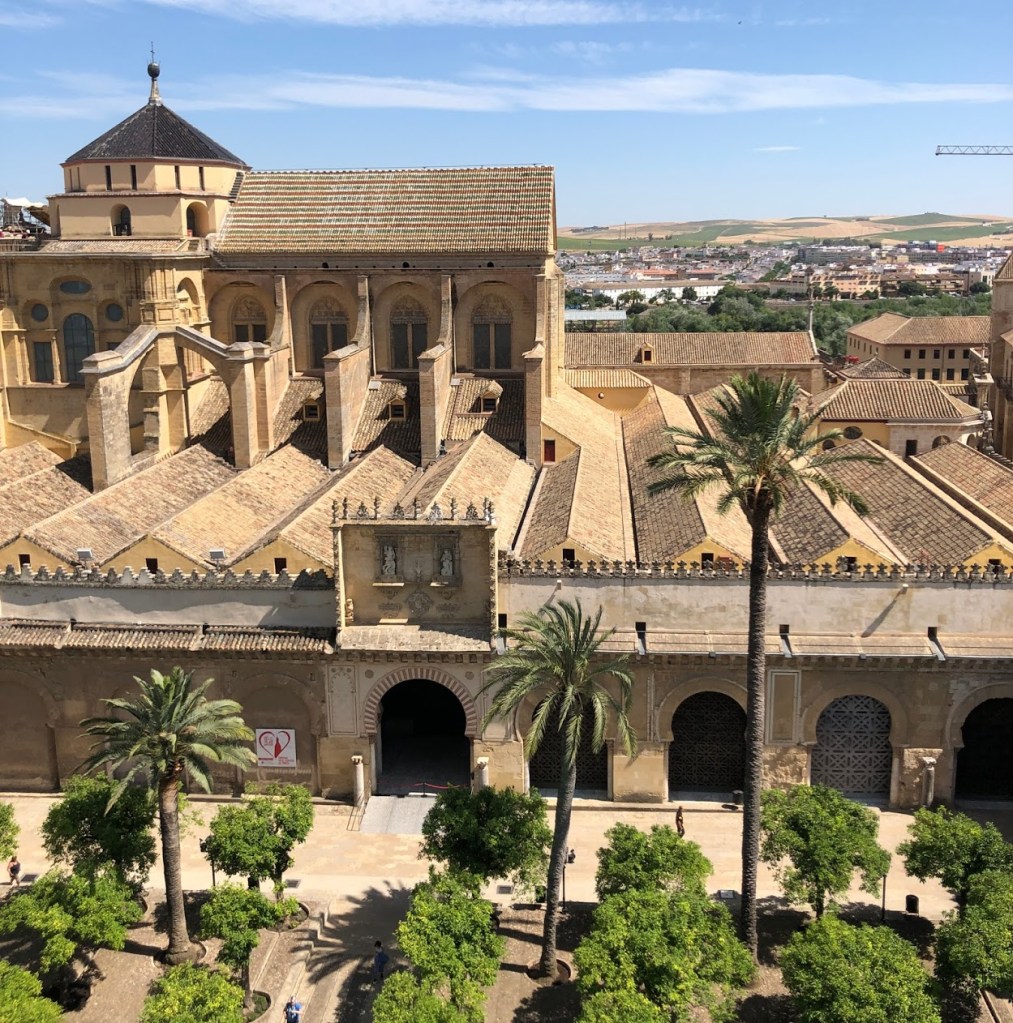
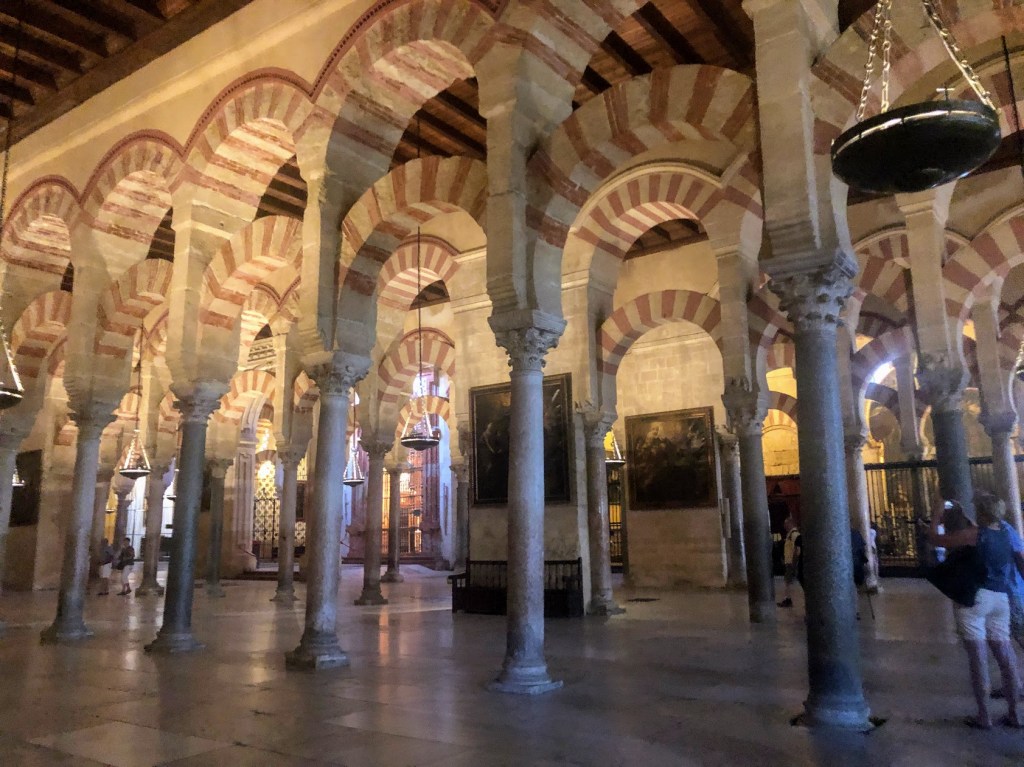
The mosque was larger than life, with enormous, opulant pillars and grand marble floors. Even though it originated as a mosque, the structure was transformed into a Roman Catholic church in 1236. Unfortunately, Muslims can no longer worship here. I opted to climb to the top of the bell tower in order to get a better look at the city. The views were breathtaking, making the hundred plus stairs up worth it.
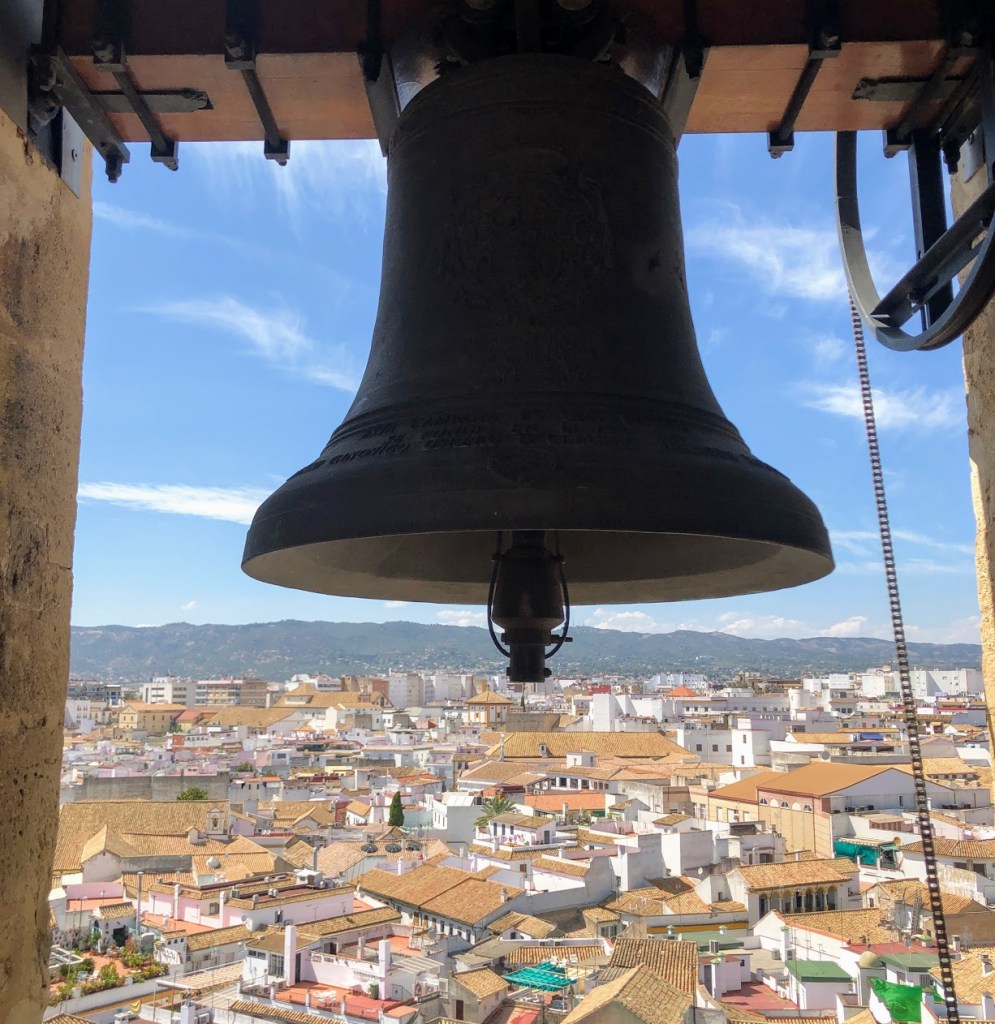
Afterwards, I met up with a tour guide for my first free-walking tour. These are great ways to learn some more history about the city without paying an arm and a leg (just make sure you give a tip at the end). The tour was about 2 hours long, and we even got to visit a day spa where we were given free green tea with honey.
After the tour, I found one of the only vegetarian friendly restaurants in Cordoba called La Libélula Coffee Shop. Talia had inspired me to use my Spanish, so I asked the waiter “Tienes las comidas veganas?” He said “si” and pointed out everything I could eat. I got a veggie burger and fries (I know, I’m so American).
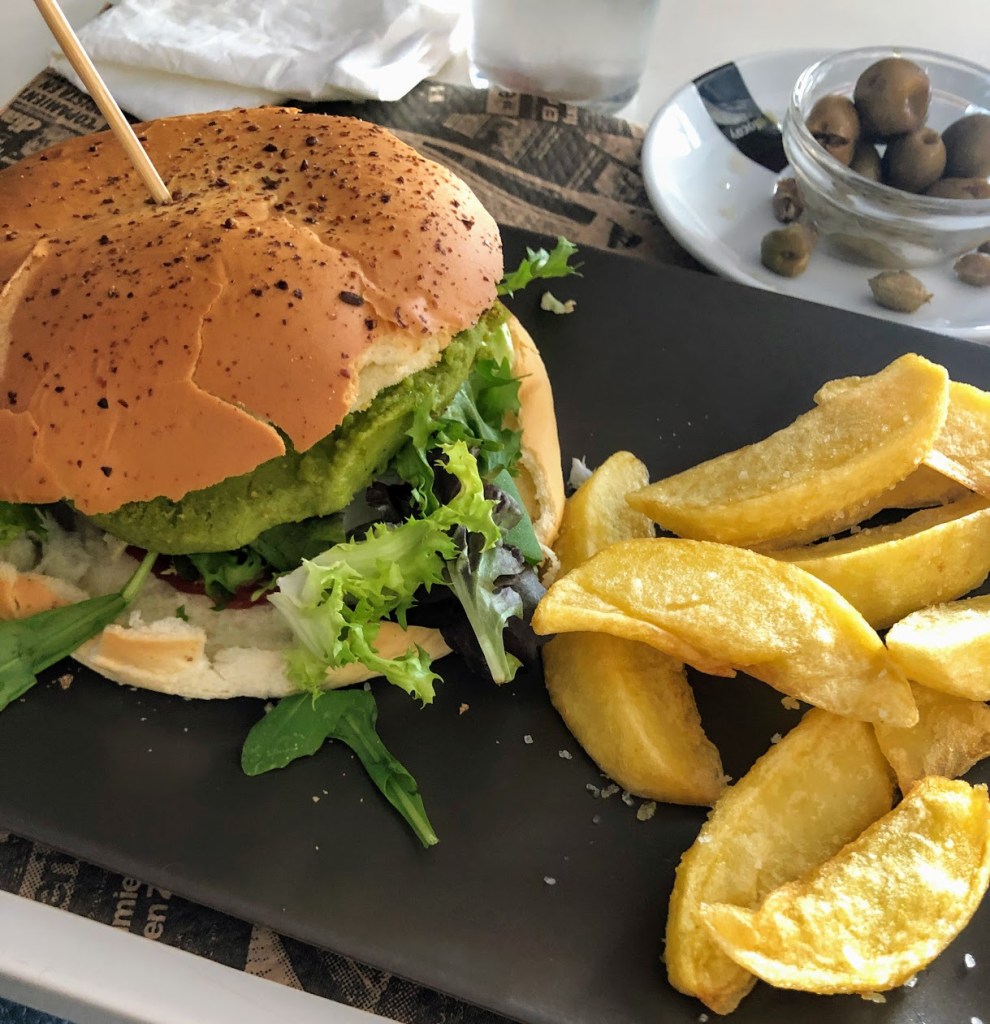
Cordoba is beautiful, but it was one of the most difficult cities to eat vegan. I ended up cooking rice and beans at the hostel that night for dinner. I would never let lack of food options hold me back from traveling somewhere. Travel is food for the soul. If going to a less-than-vegan-friendly city means I get to see a new amazing place, I don’t mind making myself basic food for a few meals.
Cordoba felt short, even though I spent two nights there. My bus ride to my next destination was early the next morning, so I went to sleep soon after I ate dinner.
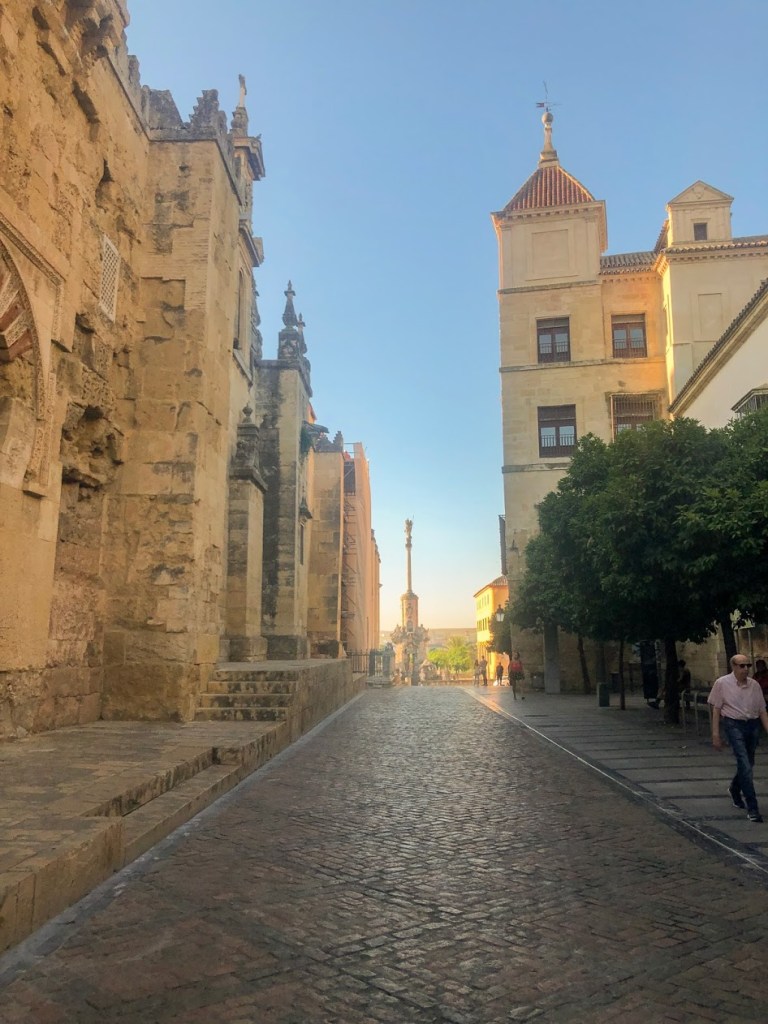
Cordoba is a great day trip. The old city is very small, and there aren’t too many attractions. I don’t feel like I needed any more time there, but I’m so glad I got to visit. If you go for more than a day, make sure you stay in the old town.
Up Next –> Granada’s Free Tapas
 Jet Lagged Gianna
One thought on “Old Town Cordoba”